Use a hyaluronic acid serum after cleansing and before moisturiser. Slightly damp skin is a useful starting point for many hydrating serums, but check your bottle's directions first. You want a light layer you can comfortably follow with cream, rather than a face dripping with water.
That is enough to get started. You do not need a new toner, a face mist and a second serum to make this one fit. If you are standing at the sink wondering whether to towel off completely, think of the dampness left after a gentle pat with a towel.
What does “damp skin” actually mean?
There should be a little moisture on the surface, without water running down your face. The INKEY List recommends damp-skin application for its hyaluronic acid serum. Treat that as useful guidance for a hydrating step, rather than a rule that overrides every manufacturer's instructions.
If your skin has dried while you were brushing your teeth, you can lightly dampen it again with clean water before applying a suitable serum. Buying a mist just for this is optional. Equally, if your product tells you to apply it differently, follow the pack.
Hyaluronic acid is a humectant: it helps attract and retain water. That explains its place in hydrating skincare. It does not make a serum a substitute for all the other products in your routine, and the word “acid” is not a reason to use it as an exfoliating treatment.
A routine you can do on an ordinary morning
Keep the serum beside the moisturiser you already use. After cleansing, apply the amount recommended on the label, spread it gently and follow with your cream. Finish your morning skincare with sunscreen according to its directions. In the evening, the sunscreen step drops out.
If you use a toner, the serum will usually come afterwards. There is no need to add a toner solely to create that sequence. Paula's Choice recommends working from lighter to richer textures; that is a helpful starting point when arranging a watery serum and a cream.
Leave room for the instructions on your other skincare, too. If a treatment needs dry skin or a particular position in the routine, do not change that just to keep everything damp. Try the hydrating serum at a different application time instead of forcing every product into the same moment.
Two options from the MUNO shelves
These are alternatives for the same step. Start with one, rather than layering both and trying to work out which one you prefer.
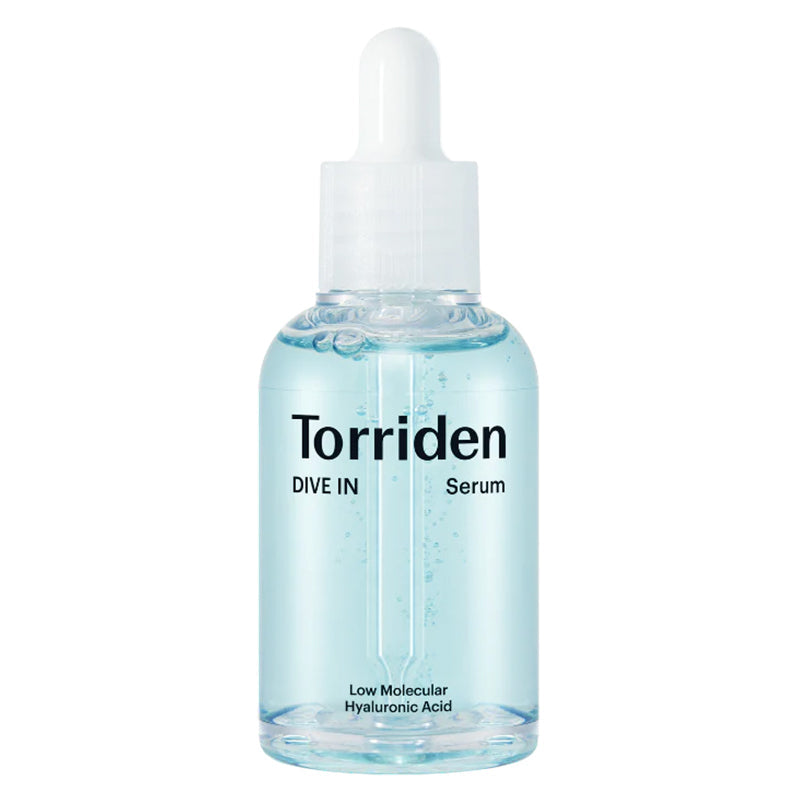
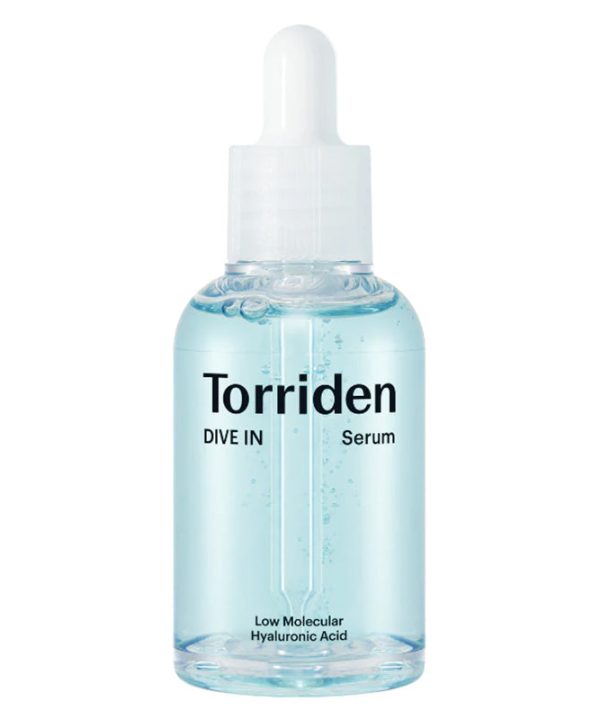
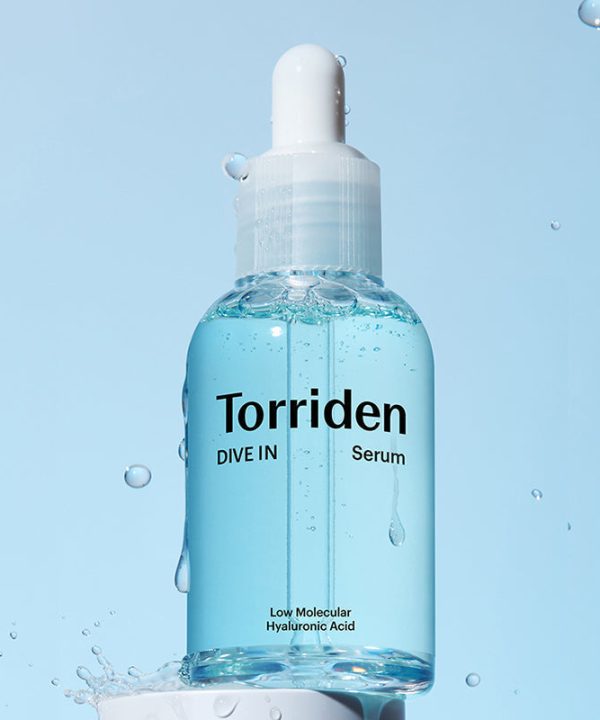
Torriden DIVE-IN Low Molecular Hyaluronic Acid Serum
Torriden DIVE-IN Serum is a hydrating serum in a dropper bottle. Torriden's directions are straightforward: spread an appropriate amount evenly across the face and pat lightly. They do not require a fixed number of drops, so check your own pack rather than treating someone else's full dropper as a measure.
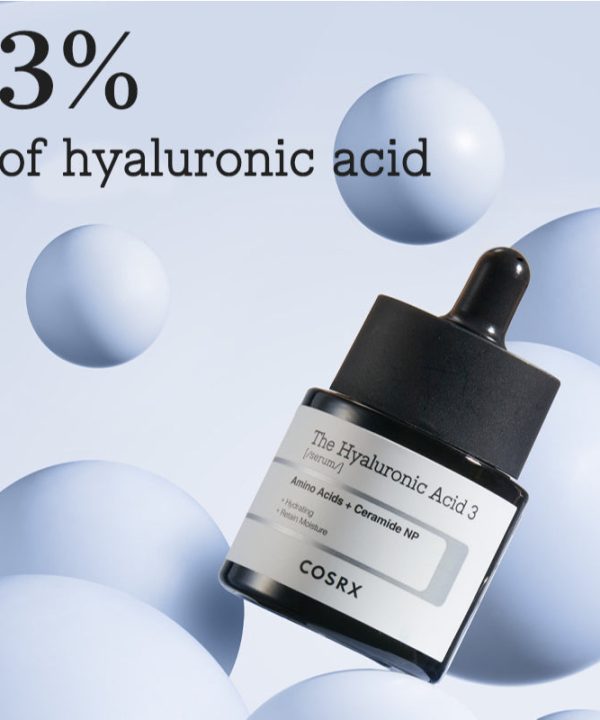
COSRX The Hyaluronic Acid 3 Serum
COSRX The Hyaluronic Acid 3 Serum is another hydration-focused option. COSRX places it at the serum stage after cleansing, recommends a few drops and allows morning or evening use. Choose according to the listed formula and your existing routine; the product name alone cannot tell you which texture you will enjoy more.